This refreshing peachy white sangria is the perfect summer sipper, combining the sweet-tartness of peaches with a hint of citrus and a touch of orange liqueur. It’s easy to prepare and can be made ahead for parties or casual gatherings, making it an ideal choice for any occasion where you want to impress your guests without breaking a sweat in the kitchen.
Ingredients You Will Need
- 3 pitted and sliced peaches
- 1 small orange, thinly sliced into rounds or half-moons
- 1 lime, thinly sliced
- 1 cup raspberries and/or sliced strawberries
- ¼ cup fresh mint leaves (plus more for garnish)
- 1 (750 mL) bottle light-bodied, dry white wine (I like Pinot Grigio or Sauvignon Blanc)
- ¼ to ½ cup orange liqueur (like Cointreau or Grand Marnier)
- ½ cup water
- ¼ cup simple syrup (or peach schnapps)
- Ice (for serving)
Ingredient Notes & Smart Tips
Peaches: Choose ripe, juicy peaches with a slight give when pressed. Slice them just before using to maintain their freshness and flavor.
Orange and Lime: Use fresh, zesty oranges and limes for the best flavor. Thin slices will release more juice into the sangria as it sits.
Berries: Raspberries and strawberries should be plump and free of blemishes. Slicing them just before adding to the pitcher helps maintain their color and texture.
Mint Leaves: Fresh mint adds a vibrant, cooling note. Use only the best leaves, discarding any that are wilted or discolored. A few sprigs can be reserved for garnish.
Step-by-Step Cooking Instructions
Main Method
Follow these detailed steps for the main method.
-
In a large pitcher place the
In a large pitcher, place the peaches, orange, lime, berries, and mint. Work through this step deliberately rather than rushing it, because this is where the texture and balance of the recipe start to take shape. Keep the listed quantities and order of operations unchanged, and have the next ingredients ready before you move on. Pay attention to the sensory cues in the food: aroma, color, softness, thickness, and how easily the ingredients move when stirred or handled. These signs are usually more reliable than timing alone. The biggest mistake is moving ahead before this step looks complete.
-
Pour in the wine cup orange
Pour in the wine, ¼ cup orange liqueur, water, and simple syrup or peach schnapps and stir. Taste, adding more orange liqueur for a boozier sangria. Work through this step deliberately rather than rushing it, because this is where the texture and balance of the recipe start to take shape. Keep the listed quantities and order of operations unchanged, and have the next ingredients ready before you move on.
-
Chill overnight
Chill overnight. Work through this step deliberately rather than rushing it, because this is where the texture and balance of the recipe start to take shape. Keep the listed quantities and order of operations unchanged, and have the next ingredients ready before you move on. Pay attention to the sensory cues in the food: aroma, color, softness, thickness, and how easily the ingredients move when stirred or handled. These signs are usually more reliable than timing alone. The biggest mistake is moving ahead before this step looks complete.
-
Pour into glasses filled with ice
Pour into glasses filled with ice. Garnish with fresh mint and serve. Work through this step deliberately rather than rushing it, because this is where the texture and balance of the recipe start to take shape. Keep the listed quantities and order of operations unchanged, and have the next ingredients ready before you move on. Pay attention to the sensory cues in the food: aroma, color, softness, thickness, and how easily the ingredients move when stirred or handled. These signs are usually more reliable than timing alone. The biggest mistake is moving ahead before this step looks complete.
Extra Cooking Tips for Better Results
- Always use fresh, high-quality ingredients for the best results.
- Chilling the sangria in the refrigerator overnight will allow the flavors to meld together perfectly.
- You can adjust the sweetness level by adding more or less simple syrup according to your taste preference.
Serving Suggestions
Serve this refreshing peachy white sangria over ice, garnished with a sprig of fresh mint. It pairs wonderfully with light summer dishes like grilled chicken skewers or a platter of cheese and crackers.
Storage and Make-Ahead Tips
Store any leftover sangria in the refrigerator for up to 2 days. Shake well before serving as the flavors may separate slightly during storage.
Recipe Variations & Substitutions
Spiced Version: For an extra kick, add a few dashes of ground cinnamon or nutmeg to the pitcher while mixing the liquids. This will give your sangria a warm, spiced flavor.
Sparkling Option: If you prefer a bubbly version, substitute sparkling water for some of the still water before chilling. This adds a fun twist and keeps guests coming back for more.
Frequently Asked Questions (FAQ)
Q: Can I use different types of white wine?
A: Absolutely! You can experiment with different varieties like Riesling or Chardonnay, but ensure they are light-bodied to keep the sangria refreshing.
Q: How long should I chill the sangria before serving?
A: Chilling for at least 2 hours is ideal, but overnight will give you the best flavor development. This allows the flavors to meld together and become more complex.
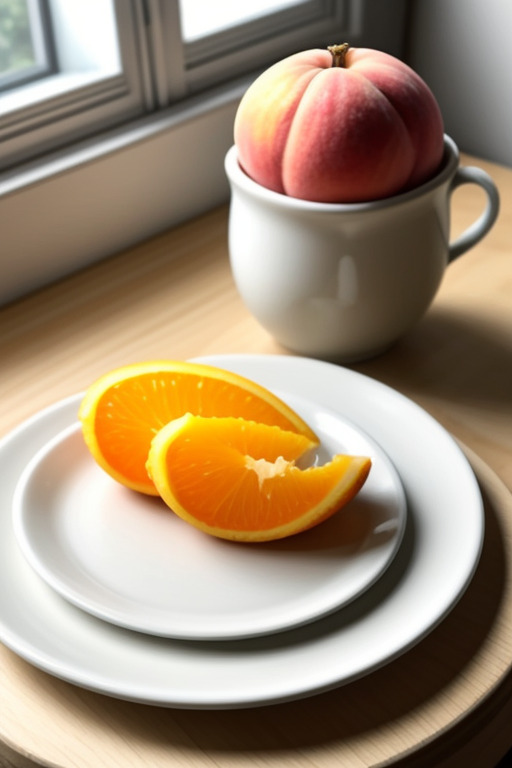
Refreshing Peachy White Sangria
Ingredients
Method
- In a large pitcher, place the peaches, orange, lime, berries, and mint. Work through this step deliberately rather than rushing it, because this is where the texture and balance of the recipe start to take shape. Keep the listed quantities and order of operations unchanged, and have the next ingredients ready before you move on. Pay attention to the sensory cues in the food: aroma, color, softness, thickness, and how easily the ingredients move when stirred or handled.
- These signs are usually more reliable than timing alone. The biggest mistake is moving ahead before this step looks complete.
- Pour in the wine, ¼ cup orange liqueur, water, and simple syrup or peach schnapps and stir. Taste, adding more orange liqueur for a boozier sangria. Work through this step deliberately rather than rushing it, because this is where the texture and balance of the recipe start to take shape. Keep the listed quantities and order of operations unchanged, and have the next ingredients ready before you move on.
- Chill overnight. Work through this step deliberately rather than rushing it, because this is where the texture and balance of the recipe start to take shape. Keep the listed quantities and order of operations unchanged, and have the next ingredients ready before you move on. Pay attention to the sensory cues in the food: aroma, color, softness, thickness, and how easily the ingredients move when stirred or handled. These signs are usually more reliable than timing alone.
- The biggest mistake is moving ahead before this step looks complete.
- Pour into glasses filled with ice. Garnish with fresh mint and serve. Work through this step deliberately rather than rushing it, because this is where the texture and balance of the recipe start to take shape. Keep the listed quantities and order of operations unchanged, and have the next ingredients ready before you move on. Pay attention to the sensory cues in the food: aroma, color, softness, thickness, and how easily the ingredients move when stirred or handled.
- These signs are usually more reliable than timing alone. The biggest mistake is moving ahead before this step looks complete.