As someone who often seeks out healthy dinner options, I know how challenging it can be to find low-carb recipes that are both satisfying and flavorful. I’ve explored various dishes that offer the perfect balance of nutrition and taste. From zucchini noodles with pesto to stuffed bell peppers, there’s a lot to discover. Curious about how these meals can transform your dinner routine? Let’s take a closer look at a few delightful recipes.
Zucchini Noodles With Pesto and Grilled Chicken
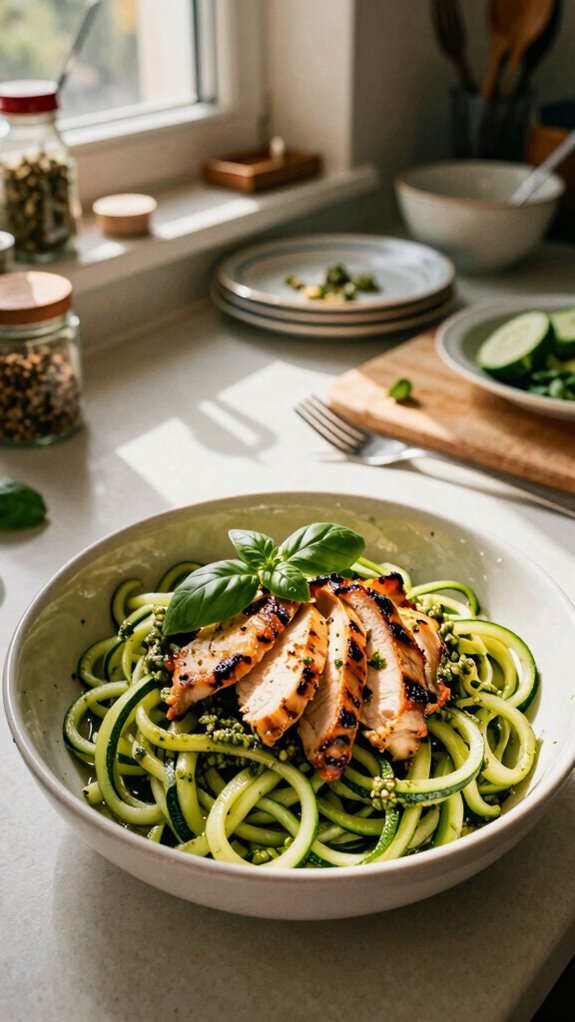
Zucchini Noodles with Pesto and Grilled Chicken is a refreshing and low-carb dinner option that’s perfect for those looking to enjoy a flavorful meal without the heaviness of traditional pasta. This dish combines tender zucchini noodles coated in vibrant basil pesto, paired with juicy grilled chicken, making it a delicious and healthy alternative.
| Total Time | Difficulty | Number of Servings | Main Ingredient/Unique Feature |
|---|---|---|---|
| 30 minutes | Easy | 4 | Zucchini Noodles |
This recipe is easy to follow and can be made comfortably in about 30 minutes. The preparation and cooking time are both streamlined, allowing you to enjoy a wholesome meal without spending hours in the kitchen. Use a spiralizer to create zucchini noodles, which adds a fun twist and enhances the dish’s visual appeal. For optimal results, grill your chicken to a juicy perfection and slightly warm the pesto before mixing.
| Ingredients | Quantity |
|---|---|
| Zucchini | 4 medium, spiralized |
| Grilled chicken breast | 2, sliced |
| Basil pesto | 1 cup |
| Olive oil | 1 tablespoon |
| Salt | to taste |
| Black pepper | to taste |
| Grated Parmesan cheese | ¼ cup (optional) |
Variations for this dish can include different protein options, such as shrimp or tofu, or incorporating other vegetables like bell peppers or cherry tomatoes. You can also experiment with different types of pesto, such as sun-dried tomato or spinach, or use a homemade version to cater to your flavor preferences.
| Kitchen Tool | Usage |
|---|---|
| Spiralizer | Creates zucchini noodles from whole zucchini. |
| Grill or Grill Pan | Cooks the chicken breast with grill marks. |
| Mixing Bowl | Combines the spiralized zucchini and pesto. |
| Knife | Slices grilled chicken and other ingredients. |
| Measuring Cups | Measures out pesto and Parmesan cheese. |
| Tongs | Flips chicken during grilling for even cooking. |
Cooking Steps:
- Prepare the Zucchini: Use a spiralizer to create noodles from the zucchini. Set aside.
- Grill the Chicken: Season the chicken breasts with olive oil, salt, and black pepper. Preheat grill or grill pan and cook the chicken for about 6-7 minutes on each side or until fully cooked. Let it rest before slicing.
- Warm the Pesto: In a microwave or small pan, slightly warm the basil pesto to enhance the flavors.
- Combine Ingredients: In a large mixing bowl, place the spiralized zucchini noodles. Add the warm pesto and toss gently until the zucchini is well-coated.
- Plate the Dish: Serve the zucchini noodles in a bowl or plate and top with sliced grilled chicken. Sprinkle with grated Parmesan cheese, if desired.
To serve Zucchini Noodles with Pesto and Grilled Chicken beautifully, plate the noodles in a spiral shape to create a visually appealing tower, then elegantly arrange the sliced chicken on top. For a finishing touch, drizzle an extra bit of pesto and add a sprinkle of Parmesan for extra flavor.
For a complete dining experience, consider pairing this dish with a fresh mixed green salad with a light vinaigrette, and complement it with a crisp white wine, such as Sauvignon Blanc, or a refreshing sparkling water with lemon.
Cauliflower Rice Stir-Fry
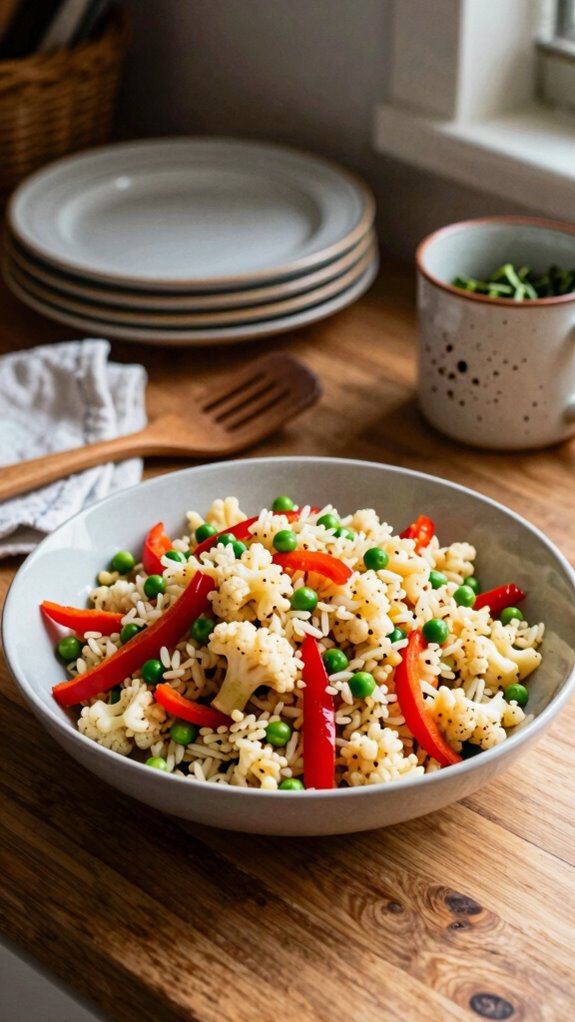
Cauliflower Rice Stir-Fry is a versatile and healthy dish that captures the essence of traditional stir-fry while keeping it low-carb. This dish substitutes rice with riced cauliflower, making it an excellent option for those watching their carbohydrate intake. With a mix of colorful vegetables and your choice of protein, it’s easy to customize and bursting with flavor.
| Total Time | Difficulty | Number of Servings | Main Ingredient/Unique Feature |
|---|---|---|---|
| 25 minutes | Easy | 4 | Cauliflower Rice |
This recipe is designed to be simple and achievable, taking about 25 minutes from start to finish. The low difficulty level ensures that even novice cooks can master it without a hitch. Ingredients are prepped quickly, and cooking only requires a hot skillet or wok. For best results, ensure your cauliflower is finely riced and have all your ingredients ready before you start cooking to streamline the process.
| Ingredients | Quantity |
|---|---|
| Cauliflower (head) | 1 medium |
| Bell pepper (sliced) | 1 medium |
| Carrot (sliced) | 1 medium |
| Peas | 1 cup |
| Soy sauce or tamari | 2 tablespoons |
| Garlic (minced) | 2 cloves |
| Ginger (grated) | 1 teaspoon |
| Olive oil | 2 tablespoons |
| Salt | to taste |
| Black pepper | to taste |
| Protein of choice (chicken, shrimp, tofu) | 1 cup, cooked and diced |
To add a twist to your Cauliflower Rice Stir-Fry, consider using different vegetables such as broccoli, zucchini, or snap peas, which can offer distinct flavors and textures. You can also incorporate proteins like diced chicken, shrimp, pork, or even tofu, along with various sauces such as teriyaki or a spicy chili sauce, to enhance the taste according to your preference.
| Kitchen Tool | Usage |
|---|---|
| Wok or large skillet | Used for stir-frying ingredients over high heat. |
| Knife | For chopping vegetables and protein. |
| Cutting board | Provides a stable surface for cutting. |
| Grater | For freshly grating ginger. |
| Measuring spoons | For accurate measurement of sauces and oils. |
| Spatula | For stirring and flipping the ingredients while cooking. |
Cooking Steps:
- Prepare Ingredients: Rinse and chop all vegetables. Rice the cauliflower using a food processor or box grater and set it aside.
- Heat the Oil: In a large skillet or wok, heat the olive oil over medium-high heat.
- Sauté Aromatics: Add minced garlic and grated ginger, sautéing for about 30 seconds until fragrant.
- Add Vegetables: Stir in the sliced bell pepper, carrot, and peas. Cook for 3-4 minutes until they start to soften.
- Incorporate Cauliflower Rice: Add the riced cauliflower to the vegetables in the skillet and stir well to combine. Cook for an additional 4-5 minutes.
- Add Protein and Sauce: If using cooked protein, add it at this stage along with soy sauce or tamari. Stir until heated through and the sauce coats the stir-fry evenly.
- Season: Taste and season with salt and black pepper as needed.
- Serve: Remove from heat and immediately serve.
To present your Cauliflower Rice Stir-Fry beautifully, serve it in a bowl, garnished with fresh herbs like chopped green onions or cilantro. A sprinkle of sesame seeds can add a nice touch. You can also serve it family-style straight from the skillet for a more casual dining experience.
For a complete meal, pair this stir-fry with a light soup such as miso soup or a refreshing Asian cucumber salad. As for drinks, a chilled glass of green tea or a light white wine complements the dish perfectly, enhancing the overall dining experience.
Lemon Herb Salmon With Asparagus
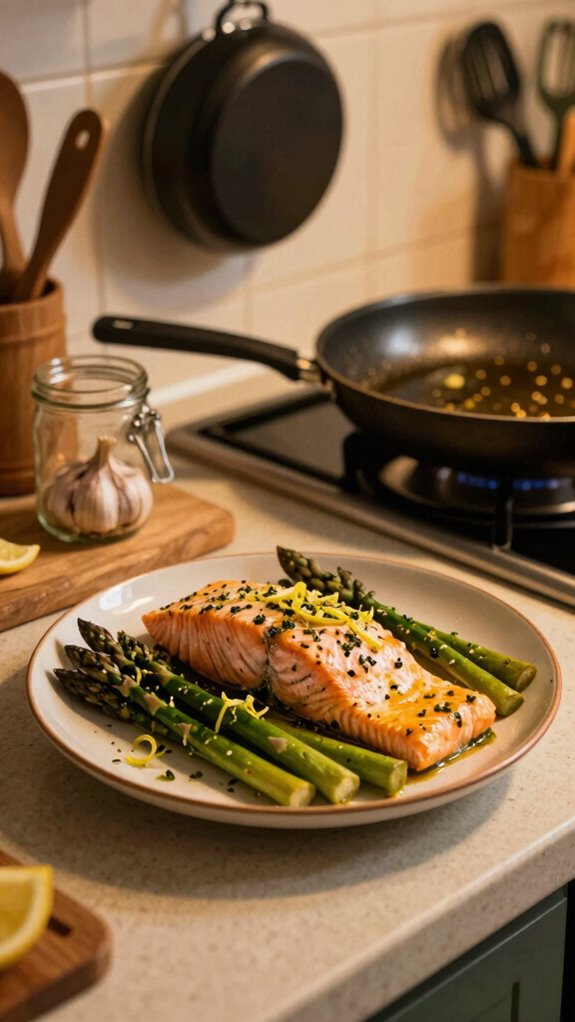
Lemon Herb Salmon With Asparagus is a delightful low-carb dinner option that combines the freshness of salmon with the vibrant flavors of herbs and lemon, paired beautifully with tender asparagus. This dish is quick to prepare, nutritious, and perfect for those looking to enjoy a healthy meal without compromising on taste.
| Total Time | Difficulty | Number of Servings | Main Ingredient/Unique Feature |
|---|---|---|---|
| 30 minutes | Easy | 4 | Lemon Herb Salmon |
This recipe is designed to be simple and efficient, taking approximately 30 minutes in total, with a cooking time of about 15 minutes. The easy difficulty level makes it suitable for cooks of all skill levels. To streamline your experience, it’s ideal to have all ingredients prepped before you start cooking, and using a baking pan will help you make the entire dish with minimal cleanup.
| Ingredients | Quantity |
|---|---|
| Salmon fillets | 4 (6 oz each) |
| Asparagus | 1 lb |
| Olive oil | 3 tablespoons |
| Fresh lemon juice | 2 tablespoons |
| Lemon zest | 1 teaspoon |
| Garlic (minced) | 2 cloves |
| Fresh parsley (chopped) | 2 tablespoons |
| Salt | to taste |
| Black pepper | to taste |
To add variety to your Lemon Herb Salmon, consider using different vegetables like broccoli or Brussels sprouts instead of asparagus, and substitute the herbs with dill or thyme for a different flavor profile. You may also experiment with adding spices such as paprika for a more robust taste.
| Kitchen Tool | Usage |
|---|---|
| Baking sheet | Used for roasting the salmon and asparagus. |
| Measuring spoons | For accurate measurement of sauces and oils. |
| Knife | For chopping vegetables and garlic. |
| Cutting board | Provides a stable surface for cutting. |
| Zester | For grating lemon zest. |
| Mixing bowl | For combining marinade ingredients. |
Cooking Steps:
- Preheat your oven to 400°F (200°C).
- Line a baking sheet with parchment paper for easier cleanup.
- In a mixing bowl, combine olive oil, lemon juice, lemon zest, minced garlic, chopped parsley, salt, and black pepper to make the marinade.
- Place the salmon fillets on one side of the baking sheet and drizzle half of the marinade over them.
- On the other side of the baking sheet, arrange the asparagus in a single layer and drizzle with the remaining marinade. Toss to coat evenly.
- Bake in the preheated oven for 12-15 minutes, or until the salmon is cooked through and flakes easily with a fork, and the asparagus is tender yet crisp.
- Remove from the oven and let it sit for a minute before serving.
To serve and present this dish beautifully, place a salmon fillet on each plate alongside a generous serving of asparagus. Garnish with additional chopped parsley and lemon wedges for extra color and a zesty touch.
This dish pairs wonderfully with a fresh salad or a side of roasted vegetables to complement the salmon. For beverages, consider serving it with a crisp white wine like Sauvignon Blanc or a sparkling water with a slice of lemon for a refreshing experience.
Stuffed Bell Peppers With Quinoa and Turkey
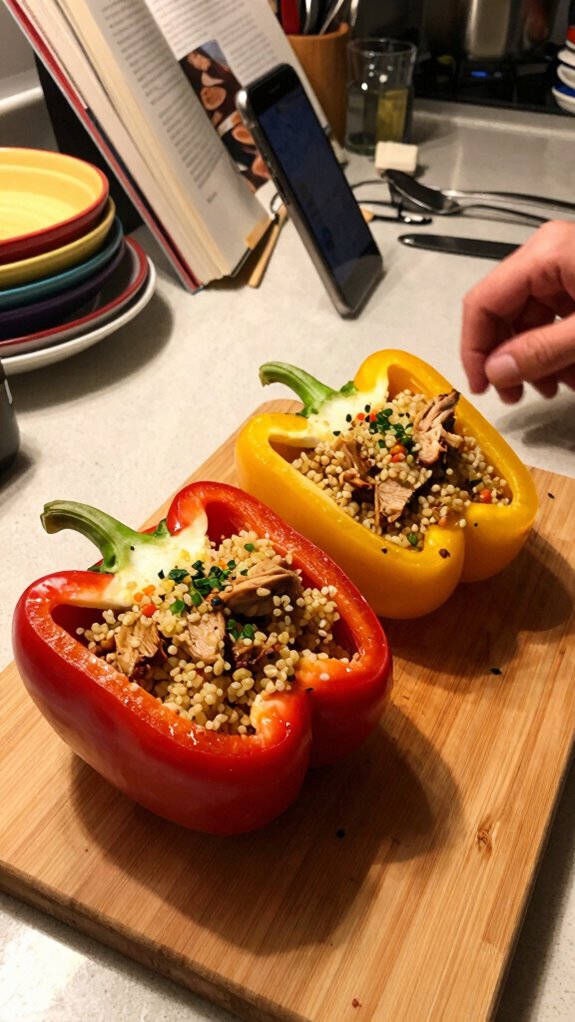
Stuffed Bell Peppers With Quinoa and Turkey is a healthy, low-carb dish that offers a delightful combination of flavors and textures. These colorful peppers are filled with lean turkey, nutritious quinoa, and a medley of herbs and spices, making them a fulfilling meal that’s both satisfying and nutritious. This dish is easy to prepare and perfect for a wholesome weeknight dinner.
| Total Time | Difficulty | Number of Servings | Main Ingredient/Unique Feature |
|---|---|---|---|
| 50 minutes | Medium | 4 | Stuffed Bell Peppers |
This dish has a moderate level of difficulty, requiring about 20 minutes of preparation time and 30 minutes of cooking time. While the steps are straightforward, being organized with your ingredients will help streamline the process. You can prepare the stuffing in advance, making it easier to assemble the peppers when you’re ready to cook.
| Ingredients | Quantity |
|---|---|
| Bell peppers (any color) | 4 large |
| Ground turkey | 1 lb |
| Cooked quinoa | 1 cup |
| Onion (diced) | 1 medium |
| Garlic (minced) | 2 cloves |
| Diced tomatoes (canned) | 1 cup |
| Italian seasoning | 1 teaspoon |
| Olive oil | 1 tablespoon |
| Salt | to taste |
| Black pepper | to taste |
| Shredded cheese (optional) | 1 cup |
You can customize your Stuffed Bell Peppers by using different grains like brown rice or cauliflower rice instead of quinoa. You can also switch ground turkey for crustless ground beef or chicken and add vegetables like spinach, mushrooms, or corn to the filling for added nutrition and flavor.
| Kitchen Tool | Usage |
|---|---|
| Baking dish | Used to hold the stuffed peppers during baking. |
| Mixing bowl | For combining the stuffing ingredients. |
| Knife | For chopping vegetables and garlic. |
| Cutting board | Provides a stable surface for cutting. |
| Spoon | For stuffing the mixture into the peppers. |
| Aluminum foil | Optional, used for covering the dish while baking. |
Cooking Steps:
- Preheat your oven to 375°F (190°C).
- Cut the tops off the bell peppers and remove the seeds and membranes. Arrange them standing up in a baking dish.
- In a mixing bowl, heat olive oil over medium heat in a skillet, then add the diced onion and garlic. Sauté until softened, about 2-3 minutes.
- Add the ground turkey to the skillet and cook until browned, breaking it apart with a spoon as it cooks, about 5-7 minutes.
- Stir in the cooked quinoa, diced tomatoes, Italian seasoning, salt, and pepper. Mix well and cook for another 3-4 minutes.
- Using a spoon, fill each bell pepper with the turkey and quinoa mixture.
- If desired, sprinkle shredded cheese on top of each filled pepper.
- Cover the baking dish with aluminum foil and bake for 25-30 minutes. Remove the foil and bake for an additional 5-10 minutes, or until the peppers are tender and the cheese is melted.
- Let the peppers cool for a few minutes before serving.
To present your Stuffed Bell Peppers beautifully, arrange them on a platter and drizzle with a touch of olive oil or balsamic glaze. A sprinkle of fresh parsley or basil on top can add a nice touch of color.
This dish pairs well with a crisp side salad dressed in a light vinaigrette and some steamed vegetables for an extra boost of nutrients. For drinks, consider a chilled sparkling water with a slice of lemon or a crisp white wine to complement the flavors of the stuffed peppers.
Eggplant Lasagna
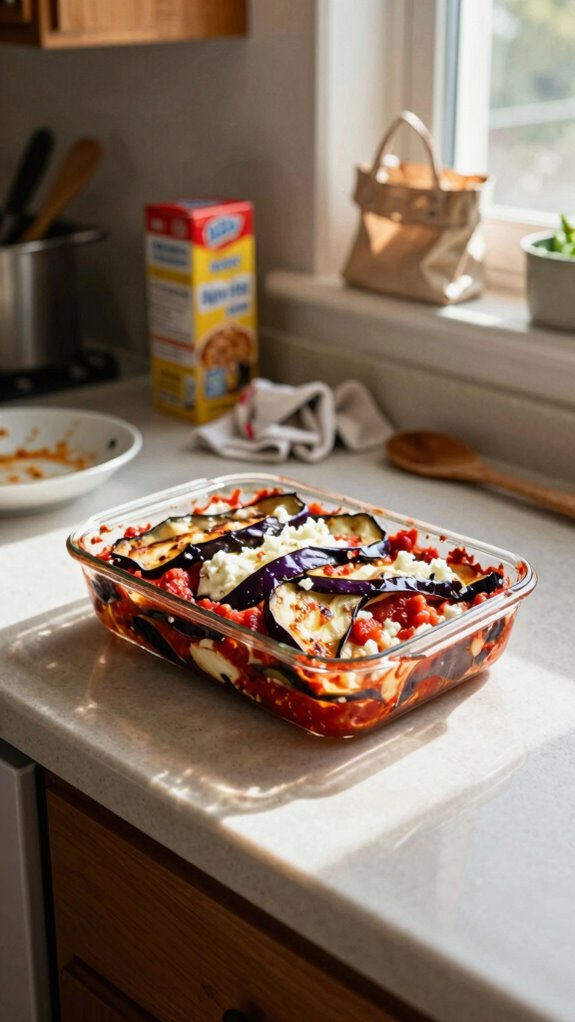
Eggplant Lasagna is a delicious, low-carb twist on the traditional Italian dish that replaces pasta with layers of tender eggplant slices. This hearty meal is packed with rich flavors from marinara sauce, ricotta cheese, and mozzarella, offering a satisfying and nutritious option that is perfect for those on a low-carb diet. It’s a comforting and filling dish that is sure to please both families and guests alike.
| Total Time | Difficulty | Number of Servings | Main Ingredient/Unique Feature |
|---|---|---|---|
| 1 hour | Medium | 6 | Eggplant (as pasta alternative) |
This Eggplant Lasagna has a medium difficulty level, requiring about 20 minutes of preparation time and 40 minutes of cooking time. The process is straightforward, but it’s important to take your time when slicing the eggplant to ensure even cooking. If you prefer, you can prepare the eggplant in advance by salting and draining it to remove excess moisture, helping to prevent a watery lasagna.
| Ingredients | Quantity |
|---|---|
| Eggplant | 2 large |
| Ricotta cheese | 15 oz |
| Shredded mozzarella cheese | 2 cups |
| Marinara sauce | 3 cups |
| Parmesan cheese (grated) | 1/2 cup |
| Olive oil | 2 tablespoons |
| Italian seasoning | 1 teaspoon |
| Garlic (minced) | 2 cloves |
| Salt | to taste |
| Black pepper | to taste |
You can customize your Eggplant Lasagna by adding additional vegetables such as spinach, zucchini, or mushrooms to the layers. For a spicier version, consider adding ground turkey or sausage to the marinara sauce. You can also try swapping the ricotta for cottage cheese if you prefer a different texture.
| Kitchen Tool | Usage |
|---|---|
| Baking dish | Used to layer and bake the lasagna. |
| Knife | For slicing the eggplant and chopping garlic. |
| Cutting board | Provides a stable surface for cutting ingredients. |
| Mixing bowl | For mixing ricotta cheese with herbs and spices. |
| Spoon | For spreading marinara sauce and layering. |
| Aluminum foil | Optional, used for covering the dish while baking. |
Cooking Steps:
- Preheat your oven to 375°F (190°C).
- Slice the eggplant into 1/4-inch thick slices. If desired, sprinkle both sides with salt and let them sit for 15 minutes to draw out moisture; then rinse and pat dry.
- Heat olive oil in a pan over medium heat. Lightly sauté the eggplant slices on both sides until golden, about 3-4 minutes per side. Set aside.
- In a mixing bowl, combine ricotta cheese, minced garlic, Italian seasoning, and a pinch of salt and pepper. Stir until well combined.
- Spread a thin layer of marinara sauce on the bottom of the baking dish.
- Layer half of the eggplant slices over the sauce, followed by half of the ricotta mixture, and one-third of the mozzarella. Repeat the layers again with the remaining eggplant, ricotta, and another layer of marinara.
- Top with the remaining marinara sauce and finish with the rest of the mozzarella and grated Parmesan cheese.
- Cover the dish with aluminum foil and bake in the preheated oven for 30 minutes. Remove the foil and bake for an additional 10 minutes, or until the cheese is bubbly and golden.
- Allow the lasagna to cool slightly before slicing and serving.
To serve Eggplant Lasagna, cut into square portions and present on individual plates. A garnishing of fresh basil or parsley can enhance the aesthetic appeal. Serve it warm with a light sprinkle of additional Parmesan cheese for added flavor.
This dish pairs beautifully with a crisp side salad dressed with balsamic vinaigrette, as well as garlic bread for those who indulge in carbs. For beverages, consider serving a chilled glass of white wine or sparkling water with lemon to complement the flavors of the lasagna.
Garlic Butter Shrimp With Broccoli
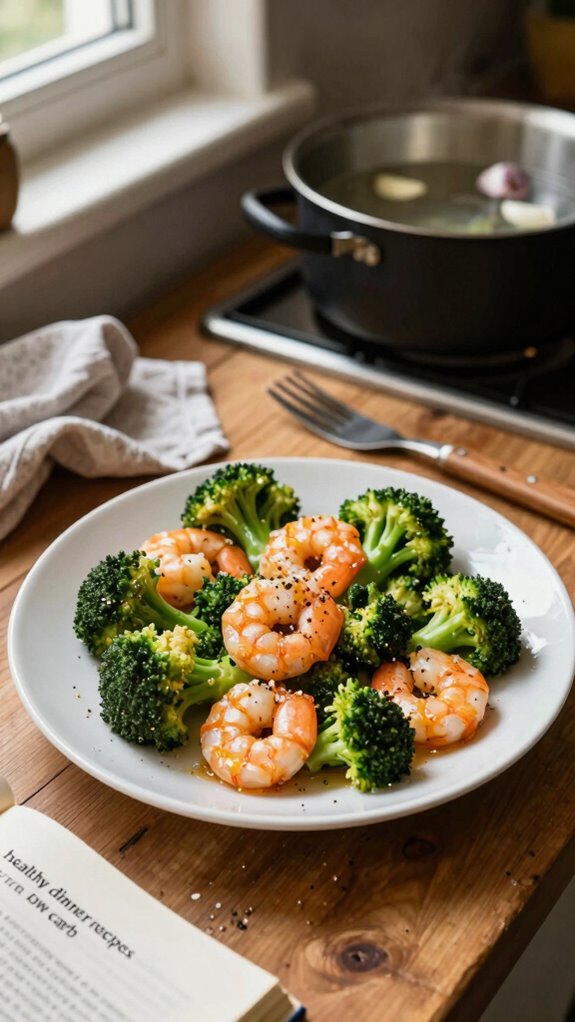
Garlic Butter Shrimp With Broccoli is a quick and flavorful low-carb dish that combines succulent shrimp sautéed in rich, buttery garlic sauce with tender broccoli florets. This meal is not only satisfying but also packed with protein and nutrients, making it an ideal option for those seeking a healthy dinner while keeping carbs in check.
| Total Time | Difficulty | Number of Servings | Main Ingredient/Unique Feature |
|---|---|---|---|
| 30 minutes | Easy | 4 | Shrimp cooked in garlic butter |
This dish is easy to prepare, requiring just 10 minutes of preparation time and 20 minutes of cooking time. With straightforward steps, even beginner cooks can master this recipe. For maximum flavor, freshly minced garlic is recommended, and don’t forget to adjust the cooking time based on the size of the shrimp to ensure they’re perfectly cooked without overdoing it.
| Ingredients | Quantity |
|---|---|
| Raw shrimp (peeled & deveined) | 1 lb |
| Broccoli florets | 2 cups |
| Garlic (minced) | 4 cloves |
| Butter | 4 tablespoons |
| Olive oil | 1 tablespoon |
| Lemon juice | 2 tablespoons |
| Salt | to taste |
| Black pepper | to taste |
| Red pepper flakes (optional) | 1/2 teaspoon |
You can customize Garlic Butter Shrimp With Broccoli by adding other vegetables such as bell peppers, snap peas, or asparagus for extra nutrition. For added flavor, consider incorporating fresh herbs like parsley or basil. Additionally, you can substitute shrimp with other proteins such as chicken or scallops, adjusting cooking times as necessary.
| Kitchen Tool | Usage |
|---|---|
| Skillet | Used to sauté shrimp and broccoli together. |
| Measuring spoons | For measuring butter, olive oil, and lemon juice. |
| Strainer | For rinsing broccoli before cooking. |
| Spatula | For stirring the ingredients in the skillet. |
| Knife | For mincing garlic and cutting any additional vegetables. |
| Cutting board | Provides a stable surface for chopping. |
Cooking Steps:
- Begin by rinsing the broccoli florets under cold water and patting them dry. Set aside.
- Heat a large skillet over medium heat and add the butter and olive oil. Allow the butter to melt.
- Once melted, add the minced garlic to the skillet and sauté for about 30 seconds, stirring constantly to prevent burning.
- Add the shrimp to the skillet, seasoning with salt, black pepper, and red pepper flakes if desired. Cook for 2-3 minutes until the shrimp turn pink and opaque.
- Add the broccoli florets to the skillet, stirring to combine with the shrimp and cooking for another 3-5 minutes, or until the broccoli is tender-crisp.
- Squeeze the fresh lemon juice over the shrimp and broccoli, tossing to coat everything evenly.
- Remove from heat and place on a serving platter.
To serve Garlic Butter Shrimp With Broccoli, arrange the shrimp and broccoli attractively on a platter, drizzling any residual garlic butter sauce over the top. Garnish with additional lemon wedges and chopped parsley for a fresh touch.
This dish pairs beautifully with a side of cauliflower rice or a simple green salad for a truly low-carb meal. For drinks, a crisp white wine like Sauvignon Blanc or a sparkling water with lemon slices complements the flavors well, making for a delightful dining experience.
Spaghetti Squash Carbonara
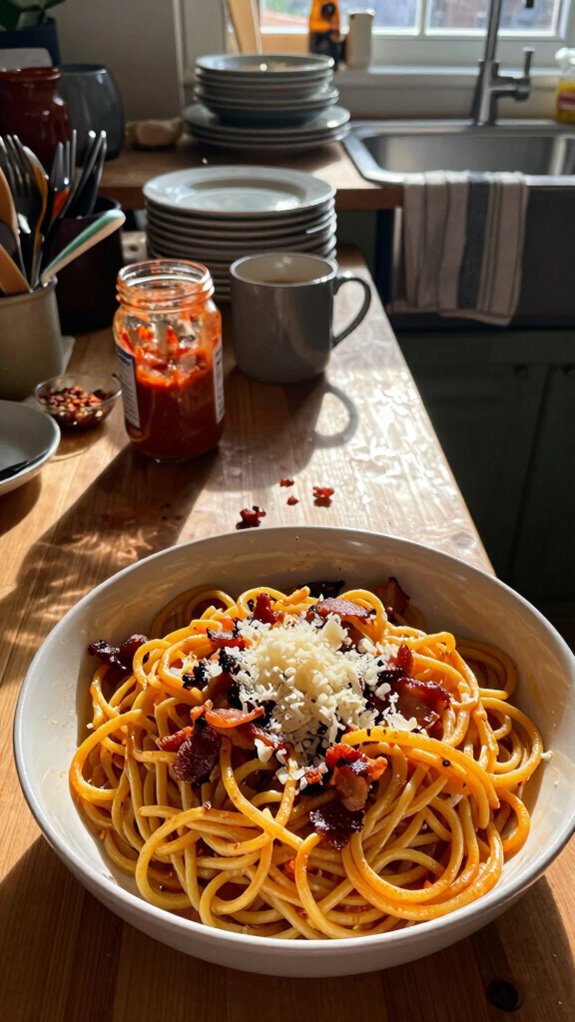
Spaghetti Squash Carbonara is a deliciously creamy and low-carb version of the classic Italian pasta dish. Instead of traditional pasta, this recipe uses roasted spaghetti squash, which provides a naturally sweet and nutty flavor while being packed with nutrients. This dish is perfect for those looking to enjoy a comforting meal without the extra carbohydrates.
| Total Time | Difficulty | Number of Servings | Main Ingredient/Unique Feature |
|---|---|---|---|
| 1 hour | Medium | 4 | Spaghetti squash as a pasta substitute |
This dish takes about 20 minutes of preparation time and 40 minutes of cooking time. While it’s considered medium in difficulty, the steps are manageable for cooks with basic kitchen experience. A key tip: ensure that the spaghetti squash is fully cooked and scraped into strands for the best texture.
| Ingredients | Quantity |
|---|---|
| Spaghetti squash | 1 medium |
| Bacon or pancetta | 4 slices |
| Eggs | 2 large |
| Parmesan cheese (grated) | 1/2 cup |
| Black pepper | to taste |
| Garlic (minced) | 2 cloves |
| Fresh parsley (chopped) | 2 tablespoons |
| Salt | to taste |
For variations, you can add sautéed vegetables such as mushrooms or spinach for added nutrition and texture. You might also swap out the bacon or pancetta for turkey bacon or a plant-based alternative, maintaining the overall flavor profile while accommodating dietary preferences.
| Kitchen Tool | Usage |
|---|---|
| Baking sheet | For roasting the spaghetti squash. |
| Skillet | To cook the bacon and garlic. |
| Mixing bowl | For blending eggs, cheese, and pepper. |
| Whisk | To whisk the eggs and cheese mixture together. |
| Fork | To scrape the spaghetti squash strands. |
| Cutting board | For cutting bacon and preparing ingredients. |
Cooking Steps:
- Preheat your oven to 400°F (200°C). Cut the spaghetti squash in half lengthwise and scoop out the seeds.
- Drizzle a little olive oil on the cut sides of the squash, season with salt, and place them cut side down on a baking sheet. Roast in the oven for 30-40 minutes until tender.
- While the squash is roasting, cook the bacon or pancetta in a skillet over medium heat until crisp. Transfer to a paper towel to drain excess grease, and leave some rendered fat in the skillet.
- In the same skillet, add minced garlic and cook for about 30 seconds until fragrant. Then remove from heat.
- In a mixing bowl, whisk together the eggs, grated Parmesan cheese, and black pepper until well combined.
- Once the spaghetti squash is done, use a fork to scrape the flesh into strands and add it to the skillet with the garlic, combining well with the fat.
- After the squash has cooled slightly, mix the egg and cheese mixture into the squash, stirring quickly to create a creamy sauce. Allow the residual heat to cook the eggs gently.
- Stir in the crispy bacon or pancetta and chopped parsley. Adjust seasoning with salt and pepper as desired before serving.
To serve and present Spaghetti Squash Carbonara beautifully, twirl the squash strands on individual plates or a large platter, ensuring they have nice, long strands visible. Top with more grated Parmesan and a sprinkle of chopped parsley for a fresh touch.
Pair this dish with a crisp green salad dressed in light vinaigrette to complement the richness of the carbonara. A light white wine, such as Pinot Grigio or Sauvignon Blanc, pairs wonderfully with the flavors, or for a non-alcoholic option, consider a sparkling water with a wedge of lemon for refreshment.